
If you’re like most drivers, safety behind the wheel is your top priority. We all get lax and forget about the basics from time to time. Let us refresh your memory with these six important safe driving habits so that you can keep you and your passengers protected on the road. 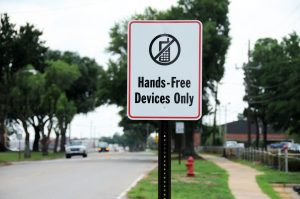
- Always Wear Your Seatbelt
Wearing your seatbelt is a law in 49 out of 50 states in America for a good reason. This simple habit may save your life one day. Buckling up will prevent you from being thrown from the vehicle during a crash, and it works in conjunction with the airbag, making it more effective. Make sure all of your passengers are strapped in as well, and young children are secured in properly installed safety seats.
- Check Your Mirrors
Checking all three of your vehicle’s mirrors before changing lanes may help you avoid a collision. Remember to glance in each mirror about every five seconds or so. This step helps keep you aware of traffic and other vehicles sharing the road. One of the top keys to being a successful defensive driver is knowing what’s going on around you.
- Use Turn Signals
It might surprise you just how many people fail to use their car’s blinker. While it may seem like common sense, this neglected habit could lead to an accident. Not only is this practice frustrating for other drivers, but it’s also dangerous. According to a report by The National Safety Council, 4.4 million people were seriously injured in crashes last year, so always remember to use your turn signals.
- Aim Your Eyes Ahead
Keeping your eyes ahead will help you prepare for the inevitable. Is there a stalled car on the road or maybe a loose dog in traffic? By focusing in front of you, be it on the highway or in the city, you’ll give yourself those extra 20-30 seconds needed to react in any situation. Also do your best to avoid distractions like a cell phone, radio, and other passengers.
- Keep Your Distance
The idea of personal space also applies to the road. Maintain at least a car-span of space behind and in front of you whenever possible. By spacing your vehicle out, making a sudden stop will allow you enough time to avoid a collision.
- Communicate With Other Motorists
Use your horn to communicate with other drivers and pedestrians. That’s what it’s designed to do. However, remember to follow a bit of etiquette here. A gentle and quick tap is enough to notify a person with their headphones on of your presence or to get a vehicle to move if they’re daydreaming at a green light. Laying on the horn to vent frustration is not a useful way to communicate, so don’t abuse it.
If you’re a veteran driver or newly licensed, incorporating these good driving habits into your daily commute is worth the effort. It’s the most important thing you can do to help you stay safe behind the wheel.
Connect with us


Recent Blog Entries
- Kia Earns Best Cars for the Money Awards for Seven 2026 Models
- 2027 Kia Telluride vs. 2026 Toyota Highlander: Best SUV For NWA?
- The 2026 Kia K4 Hatchback Is Coming Soon to Crain Kia of Bentonville
- 2027 Kia Telluride Preview: Coming Soon to Crain Kia of Bentonville
- 2025 Kia Soul Earns a Spot on Cars.com’s Best Under $30k
Categories
 Warranties include 10-year/100,000-mile powertrain and 5-year/60,000-mile basic. All warranties and roadside assistance are limited. See retailer for warranty details.