Today: 9:00AM - 8:00PM
Blog / Bentonville Kia Service

Blog

All Bentonville Kia Service Bentonville Kia Dealer Crain Kia of Bentonville Local Activities EV Awards Car Tips Technology News Bentonville Used Cars Community Comparison
Profile view of a golden yellow 2023 Kia Seltos. | Kia dealer in Bentonville, AR.

5 Benefits of Getting a Tire Rotation at Your Kia Dealer

Regular maintenance is crucial to the longevity and performance of your vehicle. This includes getting a regularly scheduled tire rotation at your local Kia dealer. Rotations are important for keeping your Kia in good condition and ensuring your safety on the road. Here are 5 benefits of getting your tires rotated. 1. Improved Vehicle Performance When your tires wear evenly, it helps with the overall performance of your vehicle. Unevenly worn tires can affect your car's alignment, suspension, and handling. Getting a rotation every 5,000 miles can help prevent these issues. 2. Extends Tire Life Tires are a significant investment, so you want to get as much use out of them as possible. When tires are poorly aligned or overinflated, it causes them to wear down faster in certain areas. This uneven wear puts stress on certain parts of the tire which could eventually lead to a blowout. Getting regular rotations will help ensure that all areas of the tire wear evenly, thus prolonging its life. 3. Detailed Inspection of Tires When you bring your vehicle in for your tires to be rotated, you will receive much more than just a simple rotation. Your technician will also conduct a thorough inspection of your tires. By proactively inspecting and maintaining your tires, you will be able to catch any small issues before they turn into bigger problems. The technician will visually check for tears, cracks, or punctures in the tires, as well as for proper inflation and alignment. 4. Reduces Uneven Wear If too much strain is put on any one part of a tire, it may wear down unevenly, requiring costly repair or replacement. By rotating your tires regularly, however, you can prevent this from happening. The weight of the vehicle will be distributed more evenly across all four tires, resulting in less wear and tear. This not only saves money in the long run but also ensures that your car has optimal performance for many years to come. 5. Safety Measure By making sure that your tires are properly inflated and receiving regular maintenance like rotations, you can help improve the safety of you and your passengers while on the road. Well-maintained tires provide better traction and braking power, which can allow them to work properly the next time you're driving in poor weather conditions or during an emergency situation. Regularly scheduled maintenance appointments like rotations of your tires are important for ensuring the performance of your vehicle. The next time you're due for a checkup, be sure to ask your technician about rotated tires. Contact Crain Kia of Bentonville to schedule an appointment and get your tires inspected today!


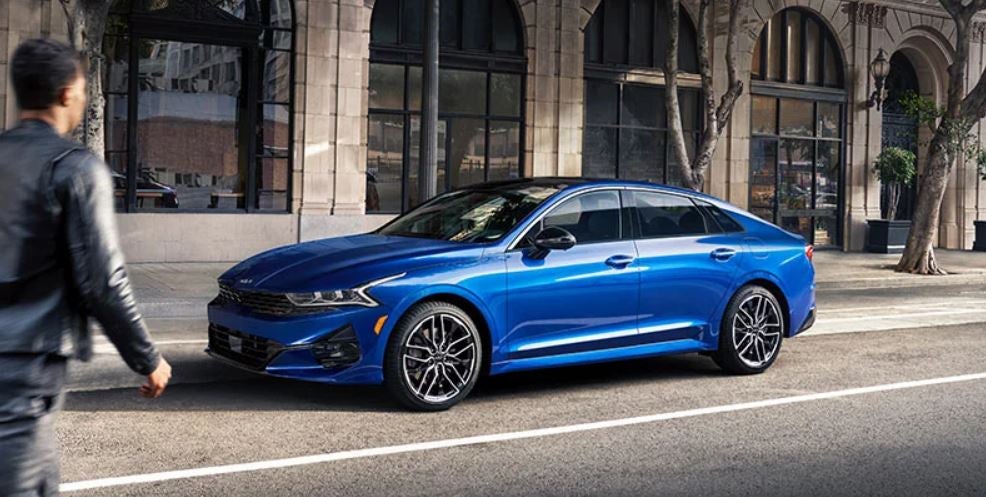
Profile view of a royal blue 2023 Kia K5. | Kia dealer in Bentonville, AR.

Car Overheating? Visit Your Kia Dealer Today

Your car overheating can cause serious damage to the engine. Your engine operates at a high temperature for efficiency. The temperature, however, must be controlled to prevent damage to the engine components. As your Kia dealer in Bentonville, AR, we can repair any overheating problems. These are a few of the circumstances that can cause an engine to overheat. Damaged Radiator Cap The radiator cap fits on top of your radiator and controls the pressure in the cooling system. Your cooling system operates at high pressure and high speed to control your engine temperature. If the pressure in the system gets too high, the cap opens to release pressure and then closes again. To prevent leaks, the cap has two tight-fitting seals. If the cap hasn't been checked for a while, the seals can become worn or loose. This allows coolant to leak out. Leaking coolant reduces the pressure in the system and increases your engine temperature. We'll examine the cap and seals, and we can replace any of these parts if they've failed. Cracks in the Radiator The radiator manages coolant that can have a temperature of over 300 F. For efficiency and to reduce the weight in the front of the car, the radiator is made from aluminum and plastic. As time passes, heat and pressure can take their toll on the radiator. Cracks can appear, particularly in the plastic sections of the radiator. Coolant is under high pressure, as we've seen, and even a small crack can allow this coolant to escape. As coolant is lost, your engine temperature will start to rise. You'll see signs of a coolant leak by a puddle of blue, green, pink, or yellow liquid under your car, and the engine temperature gauge will rise. Our technicians will examine the radiator for damage. We can't repair a cracked radiator, but we can install a new one for you. Worn Thermal Cooling Switch Your radiator has a cooling fan attached at the back. This cooling fan is designed to switch on when the engine temperature rises, and your car isn't moving. The fan blows cool air over the back of the radiator tubes filled with hot coolant and pushes the radiating heat out of your car. The fan is controlled by the thermal cooling switch. If the thermal cooling switch fails, the radiator fan won't switch on. This problem is only noticeable when your engine is idling, as you'll see an increase in engine temperature. We can quickly and easily replace a damaged thermal switch, and the fan will work again. If your engine temperature is climbing, call us right away at Crain Kia of Bentonville.

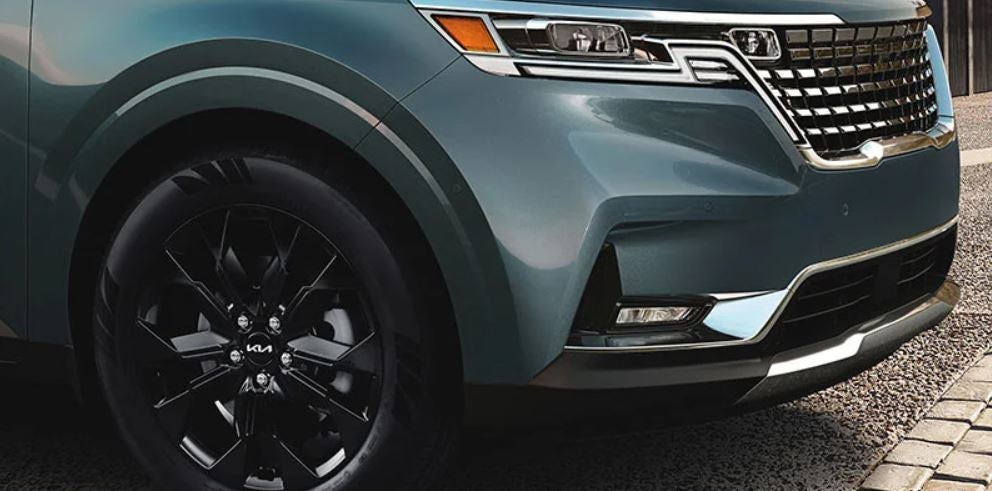
Close view of the grille area of a turquoise 2022 Kia Carnival. | Kia dealer in Bentonville, AR.

3 Engine Problems You Should Always Get Fixed at Your Kia Dealership

Your Kia engine is very efficient, and to keep it working effectively, it requires regular maintenance. Metal components can suffer fatigue, hoses can wear out, and other components can get damaged. As your Kia dealer, we can fix any engine problems for you. We've listed some of the possible problems we can fix below. Worn Sensors Sensors are attached to all of the vital components in your engine. These sensors monitor their attached components and send the information back to your car's computer. The information received is used by your computer to make decisions from the level of fuel pumped into the intake manifold to the speed of your engine's coolant. Unfortunately, sensors can wear out, and worn sensors won't provide the information your computer needs to make decisions. In a sense, your computer is running blind. The lack of information can cause a variety of engine issues as your computer struggles to make decisions. We'll connect your computer to our diagnostic system to trace the damaged sensors and replace them. Damaged Engine Mount Engine mounts are critical to your engine, as they anchor your engine to the car frame. Two mounts keep your engine firmly in place. This is necessary, as your engine contains numerous moving parts. The mounts are fluid-filled to cushion engine vibrations and protect the engine from vibrations from the driving surface. One of the first signs of damage to a mount is vibrations when you're driving. These vibrations will become more noticeable as time passes, and turn into loud clunking sounds. The clunking noise is caused by the mount becoming loose enough to move when you accelerate, brake, or the transmission shifts. Our technicians will examine the condition of the mounts and repair or replace them. Dirty Engine Oil Your engine depends on oil to keep it running smoothly. Oil flows through your engine and lubricates the moving parts. The oil helps to cool the various engine components, and this helps to reduce the engine temperature. Engine oil needs to be changed regularly according to your car's service schedule. The reason for this is older oil becomes less efficient. Older oil becomes more sluggish as it absorbs dirt, rust, and other contaminants in the engine. These contaminants also make the oil thicker and reduce its lubricating abilities. The additives in the oil break down, and you'll notice a visible reduction in engine performance. We can easily change your oil and even flush the system if needed. If you have any problems with your engine, come in and see the experts at Crain Kia of Bentonville. We'll have your Kia engine working perfectly again in no time. Image via Kia.

Close view of the headlight and grille area of a silver 2022 Kia Forte. | Kia service in Bentonville, AR.

5 Benefits of Getting Routine Brake Service for Your Kia

If you notice your Kia's brakes aren't working properly, it's time to get them checked out. Common signs of brake problems include a shaky steering wheel, difficulty stopping, and metal scraping sounds. However, there are other, less obvious signs of brake problems. To determine if you need brake service, call a Kia dealership and have them check your vehicle. 1. Avoid Costly Repairs Your brakes are among the most important safety features in your Kia, so it's crucial to take good care of them. When routine service is not done, brakes can have a lot of problems, or worse, they can fail. This could lead to an accident. Repairs are far more expensive than doing maintenance. Avoid spending thousands of dollars you may not have and avoid emergencies as well. 2. Save Time When brakes need repairs, it takes more time for technicians to diagnose problems and determine which parts to replace. Regular inspections and maintenance help avoid this because maintenance tasks involve less time and hassle. 3. Find Worn Parts There are many different components to the braking system in a Kia, including the backing plate, return spring, anti-lock braking system pump, computer, and brake hoses. Hoses need to be checked for cracks, while brake pads need to be inspected to make sure they are of the proper thickness. Worn-out pads cause the metal grinding sound and can scratch the rotors. Scratched or grooved rotors that have not been replaced can cause failure or damage to pads. 4. Prevent Brake Failure Your Kia's routine service can also include replacing the brake pads. Typically, brake pads should last between 40,000 and 50,000 miles, although this can vary by model and driving habits. Your Kia's service manual should provide recommendations for when to replace your brake pads. Using the service schedule provided by your vehicle's owner's manual is a good way to check the brakes' condition and prevent brake failure. 5. Get Expert Help Routine service includes a thorough inspection of the entire braking system. This requires the disassembly of numerous parts. This procedure can be time-consuming and expensive. Plus, there is a higher chance that something could go wrong during the reassembly. Having an expert handle this helps you avoid problems, and dealer technicians provide work covered by a warranty. Your brakes are one of the most important safety features in your car. They stop your vehicle when you press the brake pedal, and hydraulic brake fluid works with friction to slow your vehicle. A vehicle's brake system is made up of many different parts, and it's important to keep your car's brake system working at peak performance to avoid problems. To schedule your routine service for your Kia, visit us at Crain Kia of Bentonville today.

A red 2022 Kia Niro being driven on the road with trees in the background. | Kia service center in Bentonville, AR.

Does Your Kia Need a New Catalytic Converter?

Having trouble with your Kia's exhaust system? It could be your catalytic converter that's the problem. Although we rarely think of them unless they go wrong, the converter is a vital part of your car that needs to be in top condition. However, there are usually some signs that it's on the way out. If you spot any of the common problems below, then it's time to head to your local Kia dealer and get it looked at as soon as possible. The Check Engine Light Is On The check engine light has an enigmatic quality about it to most drivers, but it's an important warning sign that something's wrong. Some of the many types of issues that can set it off are due to a faulty converter, so make sure you bring your car into us as soon as you notice it's turned on. Our factory-trained technicians will be able to quickly read the error codes from your engine and find out what's going on. Increased Fuel Consumption If you notice that your car needs to fill up more often than it used to, then it might be time to have a look at your converter. This particular problem can start very gradually and can be hard to spot at first. You'll often only notice it alongside the more obvious problems on this list, but it's an important pointer towards your converter being the cause. Strange Exhaust Smell While we obviously don't recommend regularly inhaling your vehicle's exhaust, a strange odor in your exhaust smoke or from under the hood can be a sure sign there's a fault with your converter. It might be a sulfurous, rotten egg smell, or very sweet if coolant has leaked in somehow. Either way, you'll need one of the technicians to take a look. Failed Emission Test Your vehicle needs to pass an emissions test as part of its state-mandated roadworthiness inspection. It can be frustrating if it fails, but it's also a sign that the converter might be at fault, as it's one of the most important components in keeping your car as clean as possible. Best to get it checked immediately. Abnormally High Engine Revs Another common symptom of converter problems is unusually high engine revs, even at low speeds and when you're not pressing the gas pedal hard. This is caused by a breakdown in the chemical reaction that makes the converter work; this means your engine will be working twice as hard just to get the same result, and you'll therefore see higher revs. Head to Your Kia Dealer for the Best Results Here at Crain Kia of Bentonville, we provide the highest level of service, with highly skilled technicians at the ready to get your car back on the road as soon as possible. S o come on down to Crain Kia of Bentonville today, and we'll be happy to help you solve any problem with your converter! Image via Kia.

A silver 2022 Kia K5 being driven on the highway. | Kia dealer in Bentonville, AR.

Car AC Not Working? Visit Your Kia Dealer Today!

When the summer months hit, there's one question every driver dreads: Why is my car AC not working? While the do-it-yourself approach might be tempting, it's best to leave it to the professionals at your local Kia dealer. Issue #1: Refrigerant Leak Keep an eye out for patches of oil around the AC unit's hose connections. Car refrigerant is released when hoses or rubber seals break down as they're used. When this mixes with moisture, it can corrode your car's AC system. When this fluid comes into contact with air, it can evaporate. Rely on a Kia professional using specialized tools to diagnose this problem and combat low refrigerant pressure. Issue #2: Cooling Fans Without functioning fans, the refrigerated air simply sits in the vents. The refrigerant is working, but the cooled air can't travel throughout your car's cabin. Electrical issues or cracks caused by road debris might be the culprit behind your faulty cooling fans. While this problem is an inconvenience, it's an easy fix for a Kia specialist. Issue #3: Malfunctioning Compressor As with a cooling fan issue, a damaged compressor can't circulate refrigerated air around your car. This usually happens when a compressor isn't used for long periods of time. When warm weather finally hits and it's time to turn on the AC again, it can shock your car's system. While it's recommended that drivers run their AC systems throughout the winter months, many often forget. Fortunately, a Kia technician can recognise this problem and resolve it for you. Issue #4: Electrical Problems A loose connection or fuse shortage can halt your AC unit in its tracks. While these problems are often easily fixed, they can cause acid build-up in your car when they go undiagnosed. Electrical issues are tough for the average driver to recognise, so it's best visit a trained specialist to prevent long-term damage to your car's overall health. Issue #5: Failing Condenser If your AC unit is releasing hot air, it's likely your condenser is either blocked or broken. A car's condenser uses air that flows through your car in transit to cool the refrigerant once it's been compressed. If your unit isn't releasing cool air, road debris could be blocking the condenser. Your trusted Kia professional can tell you whether your condenser needs to be unblocked or replaced. Some car issues can be solved at home, but when it comes to your car's AC unit, it's best to rely on the expertise of trained Kia technicians. Visit Crain Kia of Bentonville today to talk with a skilled specialist about your car's AC unit. Image via Kia.

A dark greenish-gray 2022 Kia Sorento being driven on a dirt road. | Kia dealer in Bentonville, AR.

Does Your Kia Need a Collision Repair?

No driver ever wants to be involved in an accident. Even if you haven't been injured, it's a very stressful event. Once you're over the shock of the experience, the next thought is how do you get your car repaired. As your Kia dealer, we have the technicians, technology, and parts available for any level of collision repair you may need. This is what happens when we repair your car. What Happens During a Collision Repair at Your Kia Dealer? Estimate The first step in any repair is to determine the extent of the damage. One of our trained estimators will visually inspect your car to determine the extent of the damage. This inspection will be videoed, and a report will be compiled that will form the basis for the repair plan. We will also connect your car's computer to our diagnostic system to determine if there is any unseen internal damage that needs to be repaired. Once we have completed our investigation, all of the information will be sent to you and your insurance company for a decision. Your insurance company can request disassembly. They may also send one of their evaluators to examine the damage and decide what repairs are necessary. We will liaise with your insurance to complete this step promptly. Repair Once we receive the go-ahead from you or your insurance company, we'll remove all of the damaged parts and draw replacement parts from our parts department. Our technicians will have prepared a repair plan detailing the exact steps necessary to affect the repairs. Depending on the extent of the damage, interior and exterior repairs may be necessary. We plan to complete the repairs for you ASAP, so you're not deprived of your car for longer than necessary. Our paint technicians will prepare any exterior parts that require painting. We can color match any Kia color, so the replacement parts will blend seamlessly. We also use only genuine Kia replacement parts. These parts are identical to the ones that were used to build your car, and they will fit and work perfectly. All of the parts used also carry a warranty from Kia, so you can be assured of their quality. Reassembly and Quality Control We'll replace any damaged parts and reassemble your car. Once the repairs are complete, our technicians will test all the systems to check that they are working correctly. Our quality control technicians will reexamine your car to confirm that all the repairs have been satisfactorily completed. All repairs are according to the standards set down by Kia. Once quality control has completed their work, your car will be thoroughly cleaned. Your car will now be ready to be collected. Collection We'll let you know that your car is ready. Once you've checked your car and you're pleased with the result, we'll complete the final paperwork and your car will be ready to drive home. If you need any repairs to your Kia, call out service department at Crain Kia of Bentonville. Image via Kia.

A silver 2022 Kia Forte parked in the road is a deserted area. | Kia dealer in Bentonville, AR.

4 Car Maintenance Tips to Keep Your Kia in Great Shape

From the engine to the tires, every part of your Kia has to be in good working order for the vehicle to run smoothly. That's why it's essential to keep up with regular maintenance, such as oil changes, tune-ups, and tire rotations. By taking care of your Kia, you can avoid frequent expensive repairs at your local Kia dealer and keep your car running great for years to come. Here are four car maintenance tips to keep in mind. 1. Always Check the Oil Level It is said that oil is the lifeblood of an engine, and that is true. Oil not only lubricates moving parts to keep them from grinding against each other and causing extra wear and tear, but it also helps to cool the engine by carrying heat away from hot surfaces. We recommend checking the oil level once every few weeks and always before a long trip. You can also check after every 1,000 miles. 2. Always Ensure the Radiator Is Full The engine needs to be cooled by the radiator fluid, and if it becomes low, the engine will overheat. This can cause damage to the engine and other components, and may even lead to a fire. The best way to keep the radiator full is to check it regularly and top it up when necessary. You should also have the cooling system flushed and refilled every 30,000 miles to prevent corrosion and deposits from building up. 3. Always Check the Brake Fluid Most car manufacturers include checking the brake fluid levels in their list of maintenance tasks that should be done periodically. For Kia vehicles, this is typically every 12 months or 12,000 miles, whichever comes first. If the level is too low, it could mean that there is a leak in the system. A leak can lead to air getting into the lines, which can reduce the effectiveness of the brakes and cause premature wear, or even a complete loss of braking power. 4. Always Check the Tires Unfortunately, tires can sometimes go flat or develop other problems. If you don't catch these issues early, they can cause damage to your Kia and even lead to an accident. By taking a few minutes to check the pressure and tread depth, you can help ensure that your Kia stays in great shape for years to come. By following these simple maintenance tips, you can keep your vehicle running like new and avoid costly repairs down the road. If you need service or parts for your Kia, be sure to visit us at Crain Kia of Bentonville. We have a team of experienced professionals who will take care of your vehicle and get it back on the road in no time. Image via Kia.

Profile view of a red 2022 Kia K5 being driven. | Kia dealer in Bentonville, AR.

Is It Time for New Tires? Visit Your Bentonville Kia Dealer Today

Aside from the fact that good tires can contribute to good vehicle performance, it's also important to ensure your tires are in good condition since this can save you from a flat. Flat tires are inconvenient and can even be dangerous depending on where or how your tire blows out. Here are a few early signs that you may need to replace your tires. Tires Are Bald or Cracking Bald tires aren't just smooth - when your tires are bald, this means that the tread has worn down so much that the tires no longer have any traction. It's dangerous to drive with tires that can't grip the road, particularly during the rainy and winter seasons. Another sign of tire trouble is cracking on your tires. Generally, tires will only crack when the rubber has dried out, which only happens in extreme heat conditions or if the tire is very old. Cracking tires are at risk of imminent blowouts when you're driving because the sidewall of your tire can no longer handle the pressure of driving. Tires Are Bulging If you notice any bubbles or bulges on the sidewalls of your tires, this is usually an indication that there is a weak spot inside the tire. Bulges in your tires can burst at any time, particularly if your tires scrape against curbs or encounter potholes. If you spot any bubbles, bumps, or bulges anywhere on your tire, it's time to schedule tire service as soon as possible. Tire Tread Wear Indicator Is Visible Tires manufactured in recent years are better at telling drivers when they need to be replaced. Many tire brands now build in tread wear indicators, or squares in the grooves of your tires that only become visible when your tires are getting old. If you see the tread wear indicators, then this means that the tread on your tires has worn down, and it's time to get your tires changed. Tires Have Uneven Wear Sometimes, you may notice that your tires aren't wearing out evenly. If the tread on one or two of your tires is wearing out much more quickly than the rest, this is usually a clear indication that your wheels are out of alignment or that your tires are not correctly inflated. Tires that have uneven wear can even be a sign that your car suspension is in trouble. Although your dashboard may not have an indicator light to change your tires, there are other signs you can watch out for. For example, it may be time to replace your tires if there is visible balding, cracking, or bulging. Get in touch with Crain Kia of Bentonville to schedule Kia Express Service for your tires today. Image via Kia.

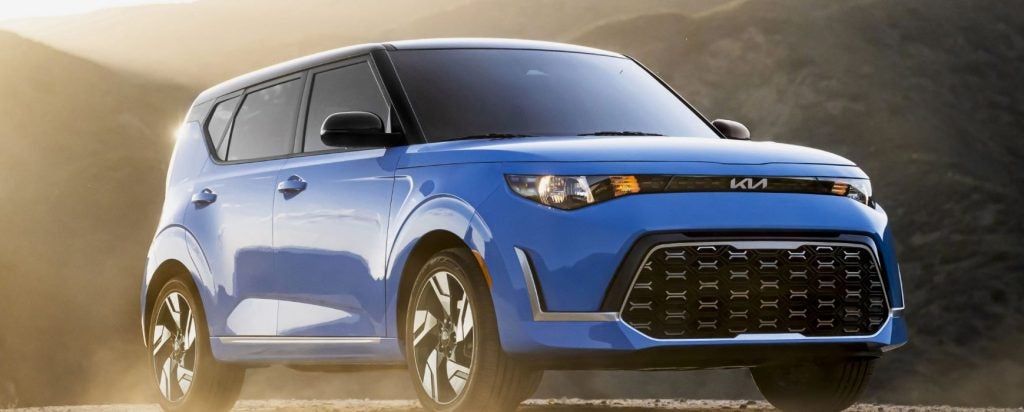
A parked, light blue 2023 Kia Soul. | Kia dealer in Bentonville, AR.

How to Tell When Your Kia Needs a Radiator Repair

In your living room, a radiator is something that keeps you warm. But in your car, the radiator has the opposite effect. It cools down the coolant which constantly flows through your engine, keeping it from overheating. A malfunctioning car radiator can quickly lead to catastrophic engine problems, so if you notice any of the following signs of trouble, visit your local Kia dealer for radiator repair as soon as possible. Your Engine's Overheating An overheating engine will rapidly break down, sometimes irreparably. Never ignore indications of overheating, which might be caused by a faulty radiator. The temperature gauge on your instrument panel will usually be the first sign of overheating. If you see the dial suddenly rising, pull over, allow your engine to cool down, and call a mechanic for advice. Other signs of an overheating engine include loud ticking noises from the engine, a smell of something burning, and a hood that's hot to touch. Your Coolant's Leaking Coolant rarely leaks but when it does, the source is often one of the joins of the coolant hose to the radiator. If your radiator's leaking coolant, you'll probably notice a brightly colored, sweet-smelling liquid under your car when you pull away from parking. You can check your coolant by popping the hood and checking the fluid level in the coolant reservoir. You might also be able to detect the source of the leak by running your fingers over the radiator and hoses. Of course, wait until the engine is cold before you do this. Any coolant leak will most likely need a technician to fix it properly. Your Coolant's Contaminated Fresh, clean coolant should be red, green, blue, or yellow in hue. If your coolant has lost its color, looks rusty, has things floating in it, or has thickened into a sludge, then you might have a buildup of contaminants inside your radiator. To fix this, the old coolant will need to be flushed out, and the radiator's pan will need to be removed and cleaned. Your Radiator's Rusting Just like any metal components of your engine, radiators are susceptible to rust in cold, wet, or humid conditions. While examining your radiator, keep an eye out for signs of brownish rust. If you check regularly, you'll usually catch the first signs of rust and be able to scrub it away with a proper cleaning solution. But if rust is allowed to develop over time it can seriously corrode your radiator, leading to leaks or other problems. In this case, you'll most likely need a new radiator. How a Kia Dealer Examines Your Radiator A technician will inspect your entire cooling system, radiator included. After checking your coolant levels, they'll search each part and hose for signs of malfunction, corrosion, or leaks. They'll also run pressure tests on the thermostat, fan, radiator cap, and other components. If this reveals any problems, they'll repair or replace the faulty part. Have your radiator inspected, repaired, or replaced today by certified technicians at Crain Kia of Bentonville. We're a family-owned dealership that's been dedicated to providing outstanding value and service to our customers since 1966. Image via Kia.

A white 2022 Kia Seltos being driven on the highway with buildings in the background. | Kia dealer in Bentonville, AR.

3 Signs Your Kia Could Use an Alternator Repair

Your Kia's alternator is a generator that turns mechanical energy into electrical energy to power your car's systems and gadgets. The alternator is designed to last for approximately 8 years, but if your car is regularly serviced, the alternator can last much longer. Any part can suffer wear, and when you need an alternator repair, your Kia dealer is here to help. These are some of the signs that we need to check your alternator for problems. Battery Dies Quickly Your car's battery lasts, on average, 3-5 years and then it needs to be replaced. As a battery operates, the chemical reactions necessary to store and recharge electricity cause the battery to slowly wear out. If you turn the key, and you hear only a sad click-click noise you may need a new battery, or your alternator could be showing signs of failing. The alternator recharges your battery as your car moves since part of the electricity generated is stored in the battery. When an alternator starts to fail, it produces less power, and the weaker the alternator becomes the less able it is to recharge the battery. A weak alternator may be supplying less power to the battery than the battery uses to start your ignition, and this will cause your battery to prematurely die. Battery Light Comes On Sensors are attached to all the important components in your car, and they monitor these components for any sign of a problem. If a sensor detects a problem, a signal is sent to your car's computer and the relevant light on your dash will come on. The battery light illuminates if a problem is detected within the electrical system itself. A loose wire, an alternator that's producing less voltage than it should, or even a battery that isn't charging correctly are just a few of the possible reasons for the light to come on. Our expert technicians will test your electrical system, and we'll find the cause of the problem and repair it. Broken or Loose Connections Your alternator may be working perfectly and producing more than enough electricity, yet your battery isn't charging properly and the electrical components aren't working. Two of the main reasons for this are damaged wires from the alternator or a worn-out diode rectifier. The electricity produced by the alternator travels through a wiring system to the electrical components, but if any of these wires are worn or damaged they won't receive power and the component won't work. The diode rectifier has the important job of converting three-phase alternating current (AC) produced by the alternator into direct current (DC) for your car's accessories. If the diode rectifier fails, the AC won't be converted to DC, and your accessories just won't work. If you experience any of these signals that your alternator has a problem, call our service center right away at Crain Kia of Bentonville. Our technicians will speedily diagnose and repair the problem. Image via Kia.

A royal blue 2022 Kia K5 parked on the street in front of a building. | Kia dealer in Bentonville, AR.

Three Ways to Tell When Your Kia Needs a Brake Repair

Good brakes are essential for your safety, as they are the only way that you can control your car's speed and stop. All mechanical parts will eventually wear out and need to be replaced. As your Kia dealer, we want you to know the signs that you may need a brake repair. Screeching Brakes A high-pitched screeching from the front of your car is certainly unnerving. This awful sound is a first warning that you need to change your brake pads. When you apply the brakes, brake fluid is forced down the hoses. This exerts hydraulic pressure on the calipers, causing them to close. The calipers sit above each of your wheel rotors. When the calipers close on the rotors, the friction generated brings your car to a stop. Your calipers have brake pads attached to them. The brake pads are covered in a friction material, which helps to slow down and stop the rotors faster. Each time the pads are used, a small amount of the pas wears off. When the pads have worn down to a level that they need to be replaced, a small metal piece in the pad becomes visible. The next time you use your brakes, the metal pad will contact the metal rotor and you'll hear an awful screeching. It's time to change your brake pads. Boiling Brake Fluid A chemical burning smell is a sign that your brakes need to be checked. As we've seen, brake fluid is used to exert hydraulic pressure on the calipers. If you have been using your brake to frequently stop and start, particularly on a hot day, you might get this chemical smell. Brake fluid is pumped into the hoses when you hit the brakes. Once you take your foot off the brakes, the fluid returns to its reservoir. Brake fluid gets hot as it's under pressure. If you're frequently stepping on the brakes, the fluid doesn't get a chance to cool down before it's used again. The hotter your brake fluid gets, the greater chance it might boil. Boiling brake fluid is dangerous, as brake fluid loses its hydraulic ability when it gets too hot. If you smell a hot chemical smell, call us and our technicians will repair the problem. Glazed Rotors Another problem caused by frequent, sharp braking is damage to the rotors. The rotors are flat metal discs attached to each wheel. When you use the brakes, the caliper grab onto the rotors to stop them from moving. The caliper causes the rotor to stop due to friction, and friction produces heat. If your brake frequently, the increased heat from the friction can glaze your rotors. A glazed rotor looks very smooth and shiny. This shiny surface can cause shrieking noise when you brake. We would be to replace the rotors to remove the noise. Worn brakes are very dangerous. If you have this problem, call us ASAP at Crain Kia of Bentonville. Image via Kia.

Contact Us

Fill out this form below and we'll contact you shortly
*Required Fields